Login
Login
 Register
 Contact Us


Products

-
Product Category:Chinese Books
-
Publisher:Greenfield Educational Centre
-
Author:冯以浤
-
Size:153x229mm
-
Age:Parents / Teachers
-
Language:Traditional Chinese
-
Number Of Pages:192
-
ISBN:9789888328932
Oversea delivery: please email charge request to info@greenfieldhk.com
Book Overview
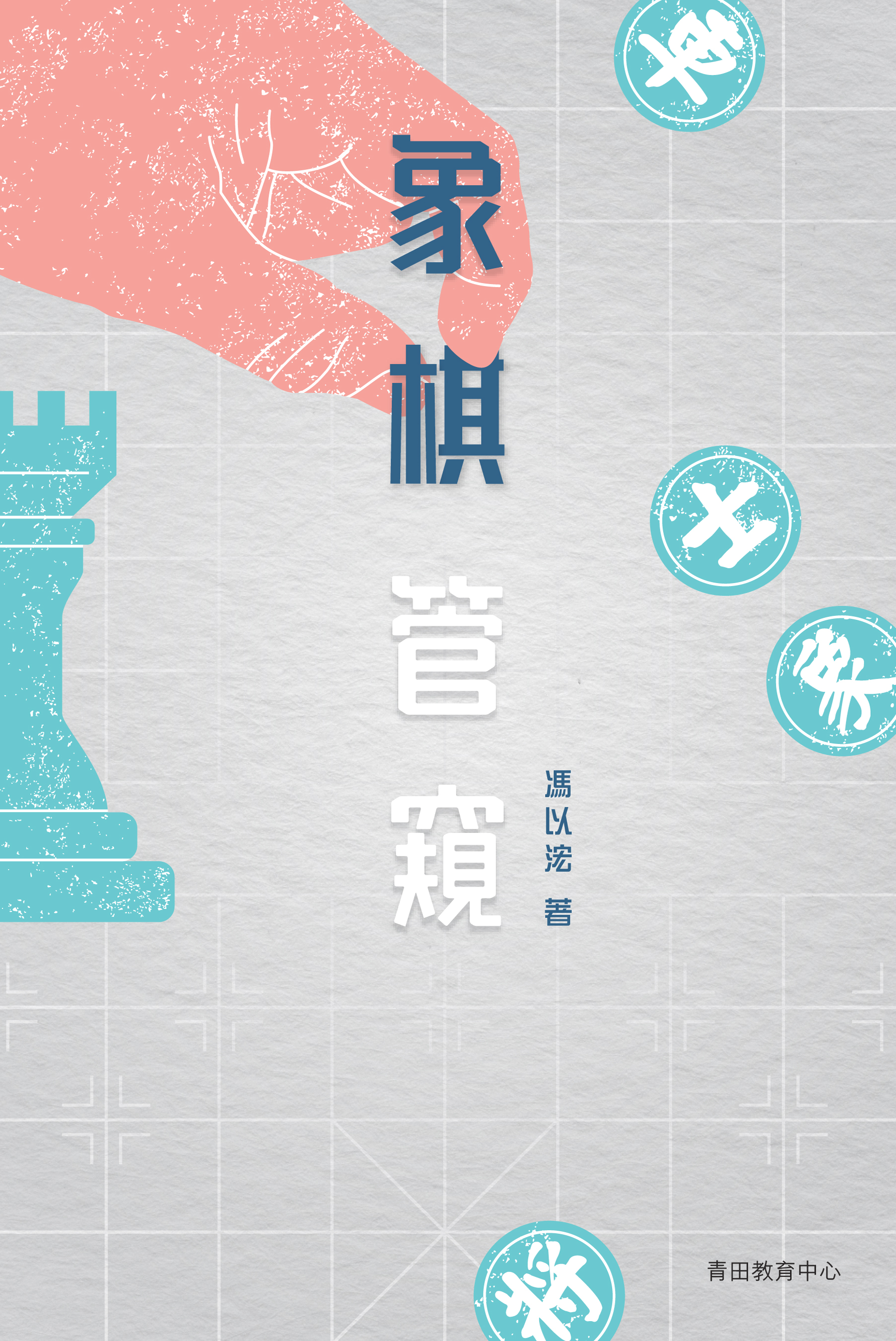
The primary focus of this book centers on the historical evolution of chess, while its secondary focus explores the profound relationship between chess and education.
Target Audience:
-
Members of the general public with an interest in chess and board games.
-
Educators, particularly school decision-makers, administrators, and teachers responsible for leading chess clubs and extracurricular activities.
Table of Contents & Structure
-
Chapter 1: The Overture
An introduction to six popular tabletop games: three board games (Chinese Chess, Three-Player Chess, and International Chess) and three tile/card games (Tien Gow, Mahjong, and Bridge).
-
Chapters 2 & 3: International Chess
An in-depth exploration of the origins, evolution, and modern development of International Chess (Western Chess).
-
Chapters 4 & 5: Chinese Chess (Xiangqi)
An in-depth exploration of the origins, evolution, and historical development of Chinese Chess.
-
Chapter 6: The Golden Era of Hong Kong Student Chess (1958–1967)
A vibrant retrospective on the booming student chess scene in Hong Kong during this decade, serving as a historical bridge to the final educational chapters.
-
Chapter 7: The Educational Value of Chess
An analytical look at how playing chess shapes cognitive development and personal growth.
-
Chapter 8: Organizing School Chess Tournaments
A practical guide offering methodologies and frameworks for teachers to establish and run chess competitions within schools.
-
Chapter 9: Skill vs. Luck — Chess vs. Mahjong
A comparative analysis of two contemporary tabletop favorites. While chess relies entirely on pure strategic skill, Mahjong represents a game balancing equal measures of skill and chance.
-
Appendix: A Lifetime on the Board
A personal essay summarizing the author’s lifelong journey, diverse experiences, and dedication to the chess community.
Core Insight: The Spectrum of Luck and the Power of Education
If we were to arrange the six tabletop games introduced in Chapter 1 along a spectrum based on the element of luck, the order would look like this:
Because of this high reliance on luck and probability, Mahjong remains vastly more popular among the general public than chess. However, the educational significance of chess cannot be overlooked. As the American polymath Benjamin Franklin once noted, by playing chess with others, we acquire valuable life skills such as foresight, circumspection, caution, and the resilience to maintain hope.
Research consistently demonstrates that playing chess aids in intellectual development among youth. Recognizing these benefits, countries such as Russia, the United States, and China have actively promoted and encouraged chess activities across all schooling levels in recent years, with some even integrating chess directly into their formal academic curriculum.